Solar Now

Solar Now EV charging

Battery Swapping – Viable or not-viable

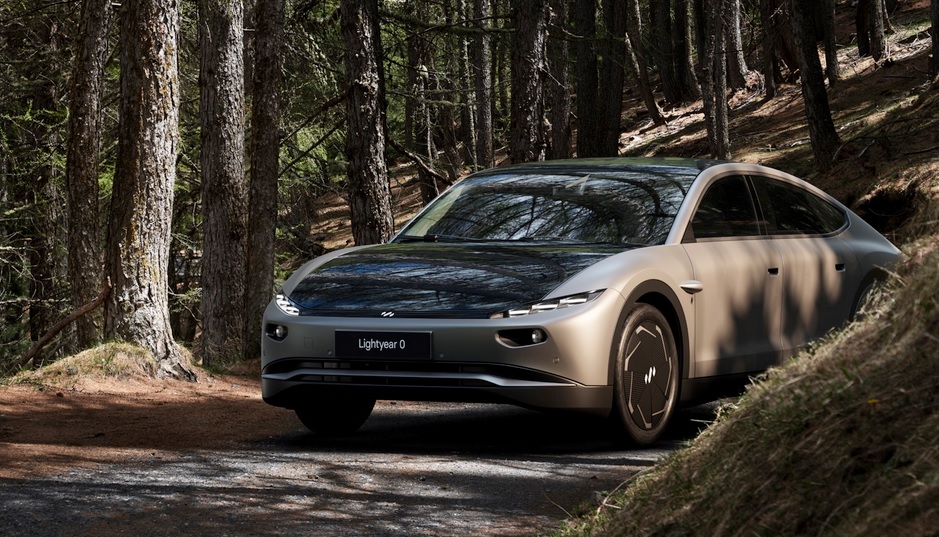
Battery swapping is emerging as one of the alternative solutions to accelerate the electrification of transport, particularly in sectors where downtime, charging infrastructure constraints, and vehicle utilization are major concerns. Instead of waiting for a battery to recharge, drivers exchange a depleted battery for a fully charged one at a dedicated swapping station, often in just a few minutes

Battery Swapping – Viable or not-viable Read More »
Solar EPC Contracts - contact Solar Now

Commercial Solar Economics

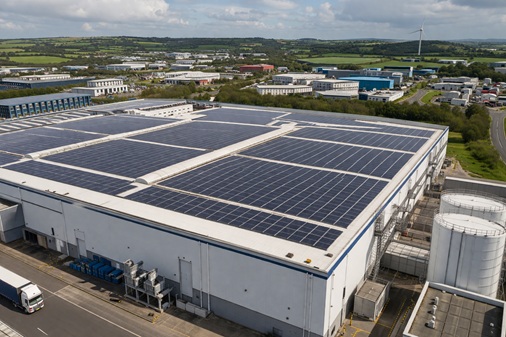
As energy prices continue to fluctuate and sustainability targets become more demanding, commercial solar power has become an increasingly attractive investment for Irish businesses. From manufacturing facilities and warehouses to offices and retail centres, solar photovoltaic (PV) systems are now delivering measurable financial and environmental returns. Contact Solar Now TODAY!

Commercial Solar Economics Read More »

Solar Now - reasons to go solar

Reasons to go Solar Now (2026)

Ireland is experiencing a growing shift towards renewable energy, and solar panels are becoming an increasingly popular solution for both homeowners and businesses. With rising energy costs, improved solar technology, and government incentives, installing solar panels offers long-term financial and environmental benefits across the country. Contact Solar Now TODAY!

Reasons to go Solar Now (2026) Read More »

The Best Way to Produce Electricity – By Far

When people think about electricity generation in Ireland, they often imagine wind farms, gas plants, or traditional rooftop solar panels tilted toward the sun. However, one of the smartest and most efficient solutions for Ireland’s climate is often overlooked: vertical solar panels, especially bifacial vertical solar panels. Contact Solar Now for your free evaluation!

The Best Way to Produce Electricity – By Far Read More »

Your Solar EPC Contract

Large-scale solar investments above 1 MWp represent a significant capital commitment, and the Engineering, Procurement, and Construction (EPC) contract you sign will ultimately determine whether that investment delivers strong, predictable returns—or underperforms from day one. Contact Solar Now to discuss how to maximise your investment.

Your Solar EPC Contract Read More »

Grid Risks in Ireland

Ireland’s grid operator, EirGrid, has repeatedly highlighted a “potentially challenging situation” in meeting electricity demand particularly between 2026 and 2028. This reflects an increasingly narrow margin between available generation capacity and forecast demand.

Grid Risks in Ireland Read More »

Irish Solar Farms (2026 edition)

Solar power has moved from small rooftop systems to utility-scale solar farms across Ireland. These large ground-mounted installations are now energised and feeding clean electricity into the national grid, supporting energy security and reducing fossil fuel reliance

Irish Solar Farms (2026 edition) Read More »

Best Inverters on the Market (2025)

The global solar inverter market has been one of the fastest-moving slices of the energy transition. Since 2020 manufacturers have raced to supply the residential, commercial and utility-scale markets with string, central, hybrid and micro-inverters — and a small set of vendors has dominated shipments.

Best Inverters on the Market (2025) Read More »

Solar Farm Construction (2025)

One important stage in solar farm development in Ireland is the “authorisation to construct” which is issued by the Commission for Regulation of Utilities (CRU). Here is a brief summary of solar farms which have been granted this authorisation in the last two years. Contact Solar Now to discuss your project.

Solar Farm Construction (2025) Read More »

Ireland’s Winter Plan 2025

As the colder months approach, Ireland’s grid operator EirGrid has published its annual Winter Outlook, covering the period from 3 November 2025 to 5 April 2026, and the findings bring welcome reassurance: the risk of supply shortages is significantly lower than in recent years.

Ireland’s Winter Plan 2025 Read More »