
Large-scale solar investments above 1 MWp represent a significant capital commitment, and the Engineering, Procurement, and Construction (EPC) contract you sign will ultimately determine whether that investment delivers strong, predictable returns — or underperforms from day one.
While many EPC contractors present turnkey solutions that appear competitive at first glance, a deeper review often reveals hidden costs, conservative assumptions, and structural inefficiencies that quietly erode project value. For clients progressing toward utility-scale or large commercial rooftop installations, independent review of EPC proposals is no longer a “nice to have” — it is a critical safeguard.
One of the most common issues in EPC contracts is pricing opacity. Line items are frequently bundled in ways that make it difficult to benchmark costs against market standards. Components such as inverters, mounting systems, and balance-of-system elements may carry significant markups, especially where specifications are loosely defined. Without a detailed technical and commercial audit, clients can unknowingly overpay by 10–25% on total project cost.
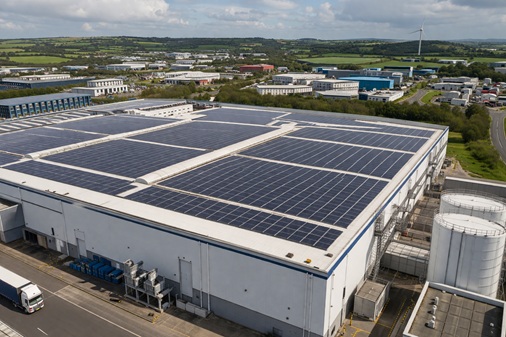
Equally important is the issue of system design optimisation. Many EPC contractors default to conservative layouts and standard configurations that prioritise ease of installation over long-term performance. This can result in suboptimal DC/AC ratios, inefficient string designs, or poor site utilisation. Over the lifetime of a 1 MWp+ system, even small design inefficiencies can translate into substantial lost revenue.
Performance guarantees also deserve close scrutiny. While most EPC contracts include production estimates and performance ratios, these figures are often based on idealised assumptions. Degradation rates, shading losses, and downtime risks may be understated. In some cases, contractual protections for underperformance are weak or difficult to enforce, leaving clients exposed if the system fails to meet expectations.
Another frequent shortcoming lies in procurement strategy. EPC contractors may favour specific suppliers based on existing relationships rather than selecting best-in-class components for your project. This can impact not only upfront cost but also long-term reliability, warranty strength, and operational efficiency. Independent verification ensures that equipment selection aligns with both financial and technical objectives.
Construction timelines and risk allocation are also areas where value can be lost. Delays, grid connection uncertainties, and unclear responsibilities can introduce financial risk that is not immediately visible in headline pricing. A thorough contract review can identify where risks are being transferred disproportionately to the client — and where renegotiation can improve your position.
By engaging an independent engineering consultancy to review EPC proposals, clients gain a clear, data-driven understanding of both savings opportunities and contractual risks. This process typically includes cost benchmarking, design optimisation analysis, yield validation, and detailed contract assessment. The outcome is not simply cost reduction, but a stronger, more transparent agreement aligned with your long-term investment goals.
For projects at or above 1 MWp, even modest improvements in capital expenditure and system performance can deliver six-figure gains over the project lifecycle. Identifying these opportunities before contract signature is where the real value lies.
If you are currently evaluating EPC bids or preparing to enter contract negotiations, a structured, independent review can ensure that your project is not only delivered — but delivered at the right price, with the right performance, and with risks properly managed from the outset.
Contact Solar Now TODAY to discuss your options.
Solar Now (c) All Rights Reserved